

The Tamil Nadu e-Governance Agency (TNeGA) has developed an artificial intelligence (AI)-driven system designed to help farmers detect pests and crop diseases early and receive timely, data-backed advice to protect their yields.
Addressing a Persistent Agricultural Challenge
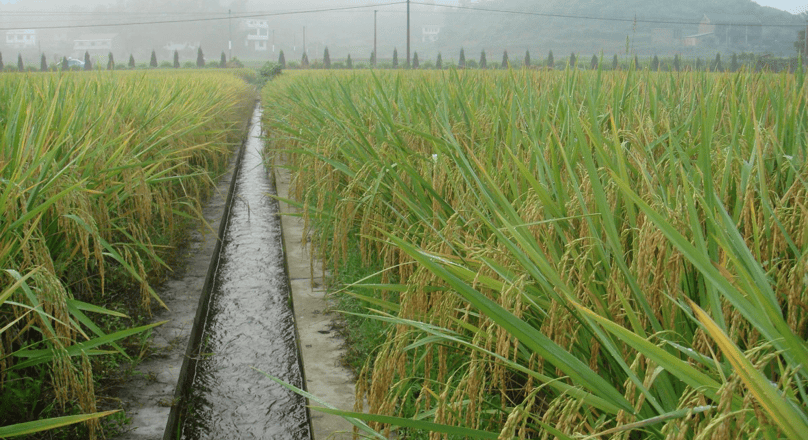
Across India and the world, crops are increasingly threatened by pests and plant diseases — a problem that disproportionately affects small and marginal farmers, who make up the majority of India’s agricultural community. Without access to accurate information, many farmers rely on informal advice or commercial fertiliser vendors, often leading to crop damage, reduced income, and long-term economic stress.
Agriculture remains the backbone of the Indian economy, and protecting farmers’ livelihoods is central to ensuring both food security and rural prosperity.
AI-Powered Early Detection for Farmers
To tackle this challenge, TNeGA has piloted a farmer-friendly, mobile-based AI solution that enables early identification of crop diseases and pest infestations. The app works directly on smartphones, providing real-time analysis and actionable guidance in the farmer’s local language — a crucial factor for accessibility and adoption.
The system currently supports two major crops — paddy and maize — and can detect three key types of diseases and pest issues using deep learning algorithms. These models were trained on a large image dataset collected from farms across 33 districts of Tamil Nadu, with support from state-appointed field experts familiar with local growing conditions.
Using deep supervised learning, the AI system analyses photos of infected plants submitted by farmers to identify visible patterns and symptoms. Early results show up to 80% accuracy in detection.
TNeGA plans to expand the system to include more crop varieties and a wider range of agricultural challenges, supported by continuous data collection from the field. Each submission includes details such as:
-
GIS coordinates
-
Crop stage
-
Farmer’s query
-
Images of infected leaves or plants
This growing dataset strengthens the model’s accuracy over time and enables data-driven insights into regional pest trends and environmental stress conditions.
Scaling Impact Across Tamil Nadu
With a limited number of agricultural field officers compared to the vast number of farmers, providing timely, in-person assistance has always been a challenge. Since its launch, and despite minimal publicity, the AI-powered service has already handled over 10,000 farmer requests within just three to four months.
The system’s multilingual interface ensures accessibility for rural users, while aggregated data allows the Agriculture Department to identify emerging hotspots for pest outbreaks and track regional trends in crop stress.
Daily data analysis also helps reveal hidden resource challenges, enabling the government to intervene proactively and deploy targeted support.
Towards Smarter, More Resilient Farming
By combining artificial intelligence with on-ground agricultural expertise, Tamil Nadu is laying the foundation for a smarter, scalable, and inclusive model of agricultural support. The initiative demonstrates how AI for social good can deliver tangible benefits — empowering farmers, improving yields, and strengthening rural resilience in the face of climate and resource challenges.