


Unilever is partnering with Accenture to scale the use of AI-enabled digital twins across its global manufacturing network. The next-generation technology will help factories improve quality, boost efficiency and respond more quickly to consumer demand. The multi-year programme marks a further step in Unilever’s journey to apply pioneering technology across its value chain as the company sets out to shape the future of the consumer goods industry.
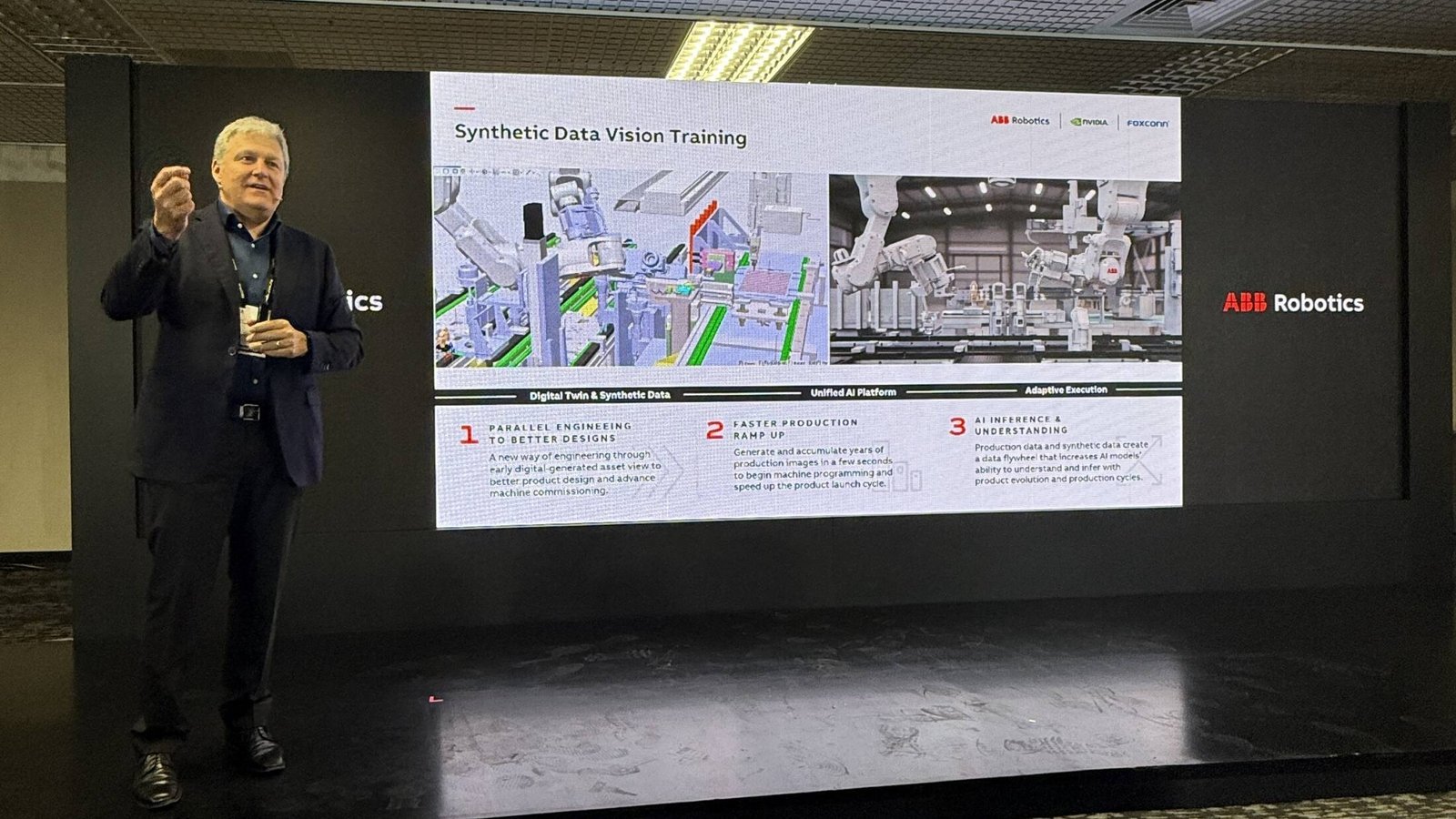
Digital twins are virtual models of factory equipment and production lines. They use live data from physical systems on the shop floor to monitor and predict how machines and processes perform.
By integrating digital twins with AI-enabled insights and agentic capabilities, Unilever is equipping manufacturing teams with advanced tools to identify issues sooner, simulate scenarios faster, and make smarter decisions across the production cycle.
Building on digital twins already in use, Unilever plans to expand adoption over the next 18 months by building more than 40 new digital twins, creating a scalable blueprint for global rollout.
“Scaling AI across our operations isn’t just a technological shift, it’s a commitment to superior products, sustainability and empowering our teams across our factories,” said Adam Raeburn-James, Global VP for Digital Business Operations, Unilever. “Through our partnership with Accenture to accelerate digital twins, we are turning innovation into measurable impact to create desirable brands for our 3.7 billion consumers worldwide.”
“Unilever has long been recognised for its supply chain excellence, and expanding the use of manufacturing digital twins reflects the company’s continued focus on both technology and people,” said Nicole van Det, CEO Accenture Netherlands and Nordics and global account lead for Unilever. “Having invested early in AI, the company is setting the standard for pairing advanced tools with smart process design and disciplined execution on the shop floor. Together, we’re setting the benchmark for how industrial AI creates long-lasting value in the consumer goods sector.”