


Roblox has announced the beta release of 4D generation, a new AI-powered capability built on its Cube Foundation Model that enables the creation of fully functional, interactive 3D objects using natural language prompts.
Unlike traditional 3D generation, which produces static assets, 4D generation adds the dimension of functionality, allowing objects to behave as players expect in-game. The technology enables creators and players to generate interactive items such as drivable cars or flyable aircraft directly within Roblox experiences.
The new capability will be available as a feature within Roblox Studio, providing creators with advanced tools to unlock new types of gameplay and player engagement. Once enabled by a creator, players can generate functional objects through simple text prompts, interact with them immediately, and incorporate them into gameplay.
At the core of the technology is Roblox’s Cube Foundation Model, which was developed to power AI-driven creation tools, including 3D object generation and, eventually, full scene creation. Roblox said Cube will ultimately support the generation of complete environments, assets, animations and code through natural language inputs.
4D generation works by using predefined schemas, which break objects into parts and assign rules and behaviours that bring them to life. This allows AI-generated objects to function consistently within game environments.
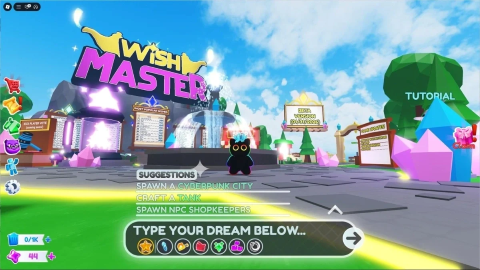
Developers are already testing the technology. Independent developer Laksh has implemented Cube and 4D generation in his game Wish Master, where players can generate in-game objects based on their wishes. Players have created functional cars, planes and even flying dragons using the system.
According to Laksh, early access testing showed strong engagement, with players generating more than 160,000 objects using 4D generation. Players who engaged with the feature recorded an average 64 per cent increase in play time within the game.
Roblox said the beta release of 4D generation represents a major step toward democratizing game creation, allowing both developers and players to bring ideas to life and shape interactive experiences through AI-powered tools.