

The U.S. Defense Innovation Unit (DIU), alongside the Defense Autonomous Warfare Group (DAWG) and the U.S. Navy, has launched a prize challenge of up to $100 million to build an “autonomous vehicle orchestrator”.
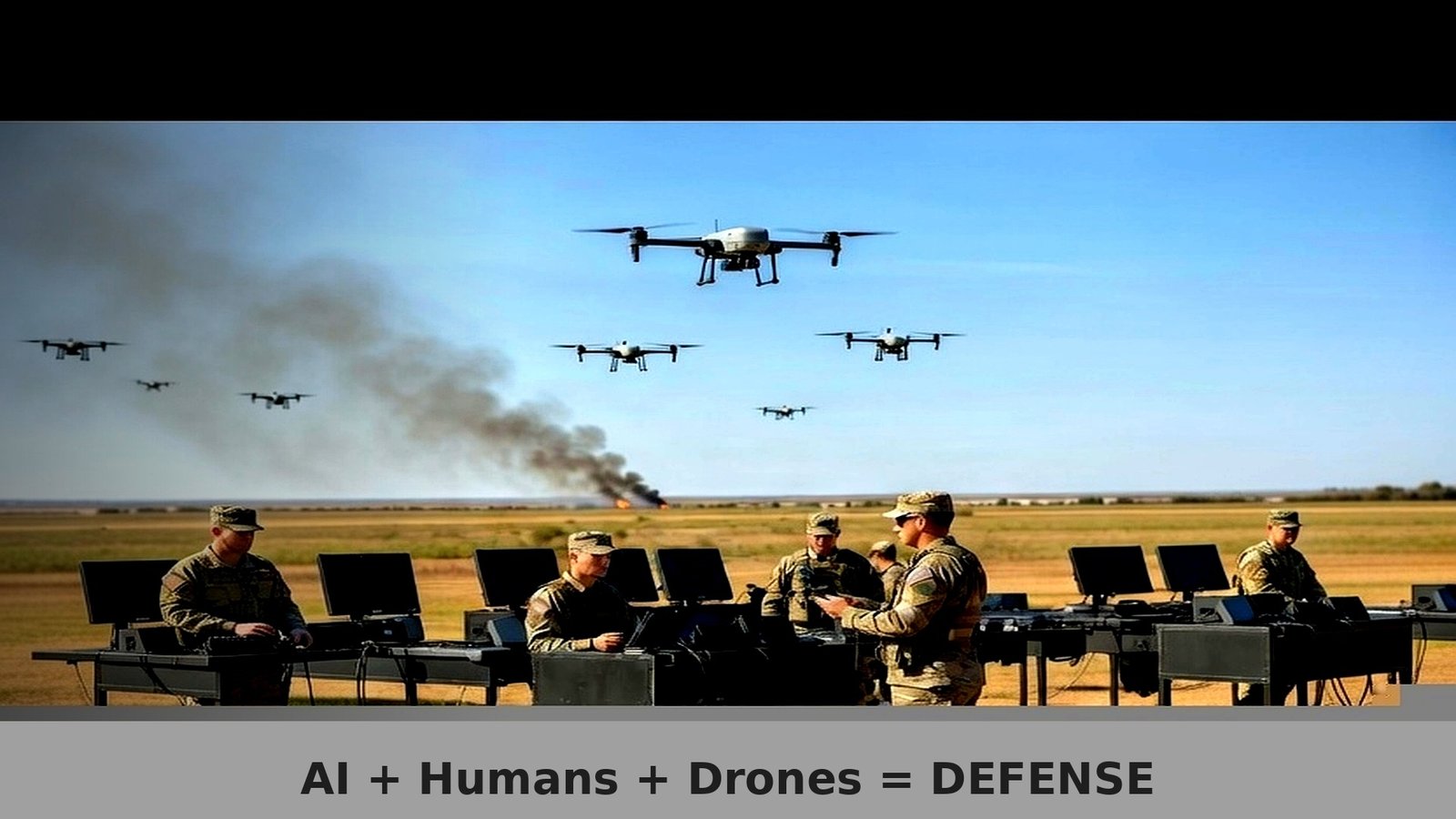
This is essentially for seeking a software that lets ordinary service members command groups of unmanned systems using plain-language instructions, rather than specialist operators flying one drone at a time.
At its core, the program is looking for a vehicle-agnostic coordination layer: a system that can take a human intent (e.g. scanning a coastline, prioritizing fast movers, maintaining radio silence, avoiding any particular zone, reporting back superfast in a matter of minutes) and translates it into valid, logged, auditable commands across mixed fleets — drones, boats, and other autonomous platforms.
DIU’s published submission requirements point to specific capabilities like mapping voice input into a universal command format, selecting appropriate actions from “platform playbooks,” and producing robust logs for oversight and review.
A battalion can’t practically run “one operator per vehicle” if swarming, distributed unmanned fleets are the new battlefield reality. DIU’s framing makes the intent explicit: shifting autonomy from a specialist craft to a routine military muscle for all defense personnel.