

Artificial intelligence (AI) is rapidly establishing itself as a strategic engine for biopharma innovation across the Asia-Pacific region, transforming how new therapies are discovered and developed — from early target identification to clinical validation.
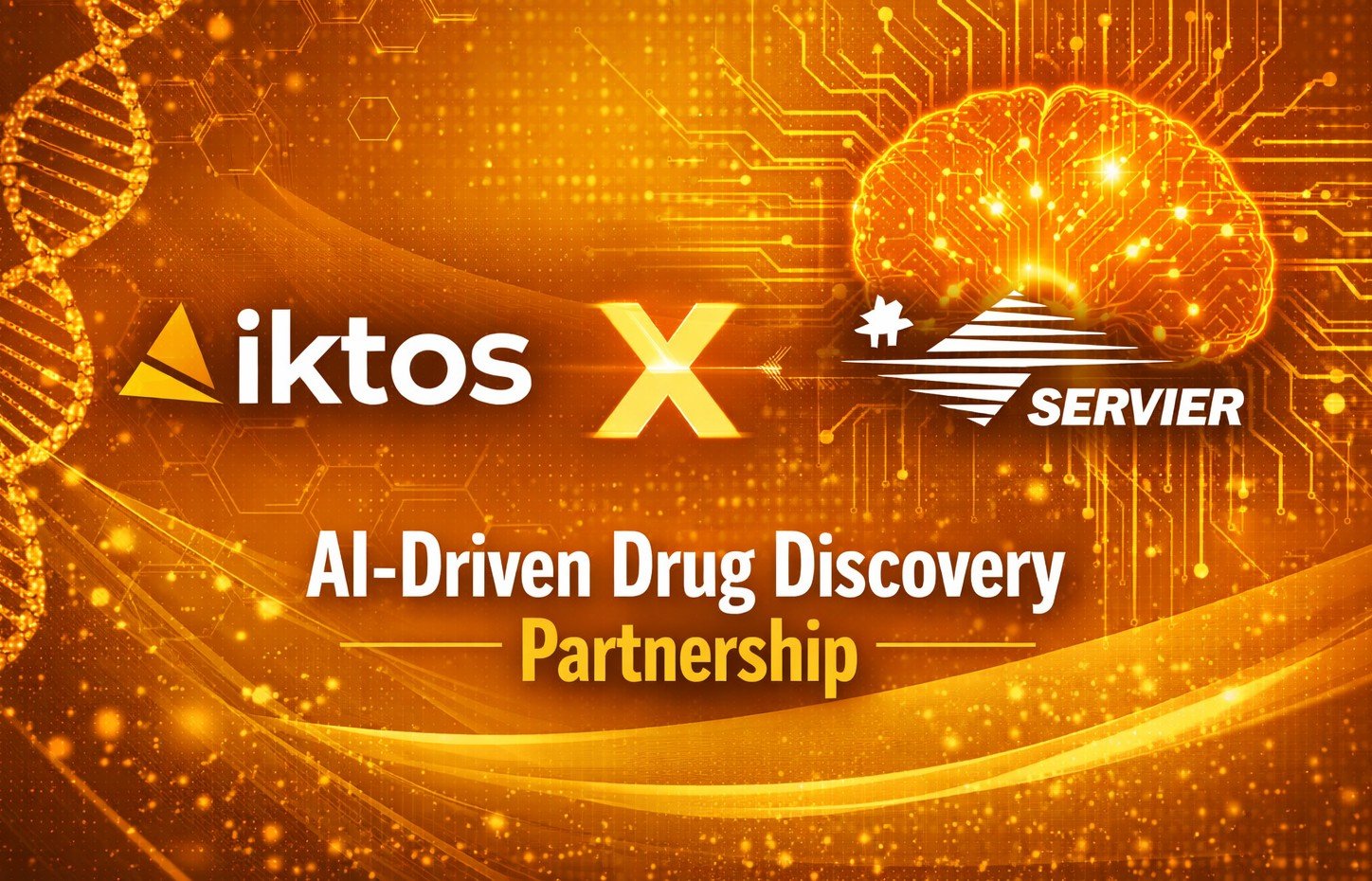
In one of the most significant recent moves globally, Servier and AI drug discovery specialist Iktos announced a strategic collaboration valued at over €1 billion, focused on deploying generative AI to accelerate small-molecule drug discovery.
Iktos’s platform — which combines generative AI with automated synthesis and evaluation — will support Servier’s programs across multiple therapeutic areas, highlighting the growing business and scientific value attributed to AI-led discovery.
This pact comes just days after Servier also inked an US$888 million oncology partnership with another AI-driven drug discovery biotech, Insilico Medicine, further highlighting Big Pharma’s pivot toward AI-led R&D models.
The deal underscores a broader industry trend in which data-driven platforms are becoming foundational to early-stage research, particularly for diseases that have historically been difficult for traditional discovery methods.
Variant Bio has launched Inference, an AI-powered platform that analyzes vast genomic datasets to accelerate the identification of potential drug candidates. The platform is already drawing multi-million dollar deals with established partners, including Boehringer Ingelheim, and positions AI as a central tool not just for discovery but also for decision-making in complex biological systems.
Nimbus Therapeutics and Eli Lilly signed a multi-year research licensing agreement to co-develop AI-driven oral therapies for obesity and metabolic disease, with potential milestone payouts exceeding $1.3 billion. This reflects how AI is now integral even in competitive therapeutic areas like metabolic health.
On the funding and startup side, AI biotech innovators continue to attract investor interest and strategic alliances. For example, earlier fundraising rounds and partnership expansions in 2025 signaled robust venture capital confidence in generative AI’s ability to design novel molecules and improve screening efficiencies.